

Proper gutter installation is vital for guarding your home from moisture damage, especially in Arkansas where intense rainfall can occur without warning. Many property owners attempt DIY placements without realizing the important elements that can cause expensive errors. Whether you're planning a updated gutter setup or replacing an outdated one, knowing these common mistakes can prevent you time, funds, and troubles. AGM Gutters is a reliable supplier for Gutter Installation in Arkansas, providing professional support and dependable assistance to guarantee your home remains safe.
1. Neglecting the Examination of Existing Gutters
Before commencing any new gutter setup, it's essential to completely inspect your previous system. Old gutters may have underlying damage, such as corrosion, seepage, or drooping areas that can affect the effectiveness of your new system. If you fail to fix these problems, you risk causing the identical problems with your new gutters. Allocate the effort to examine for blockages, unfastened attachments, and indications of damage. This action can avoid later maintenance and increase the life of your new setup.
Even if your gutters seem fine, a professional examination can uncover issues that aren’t apparent to the naked eye. For instance, water stains on the exterior or collection around the ground level may indicate a challenge that needs focus. By resolving these problems promptly, you can prevent more extensive and expensive fixes down the line.
2. Selecting the Incorrect Gutter Material
The component you pick for your gutters impacts their longevity, upkeep needs, and overall effectiveness. Common alternatives include aluminum, steel, and vinyl. Each has its pros and cons, and choosing the wrong one for your climate and home can result in frequent fixes or soon change. In Arkansas, where climate circumstances can alter, it's crucial to select a substance that can withstand both intense precipitation and thermometer fluctuations.
For instance, aluminum is easy and immune to oxidation, making it a good option for nearly every homes. However, it can be susceptible to dents. Vinyl is affordable but may not hold up as well in extreme climate. A skilled installer can help you consider the choices based on your specific needs and regional situations.
3. Failing to Ensure Proper Slope and Drainage
Gutters need to slope slightly toward the downspouts to guarantee water directs away from your home. If the slope is too shallow or too steep, water may not move properly, resulting in overflow, leaks, or water pooling near the foundation. This is a frequent mistake that can lead to long-term damage to your home’s foundation and yard.
To check the slope, determine the distance between the gutters and the downspouts. A slope of about 1/4 inch per 10 feet is generally sufficient. If you're not sure, a professional can evaluate the slope and make appropriate adjustments. https://fort-smith-ar.agmguttershorsehoebend.com/ Effective drainage is important to preventing water damage and ensuring your gutters function as intended.
4. Neglecting the value of Leaf Guards
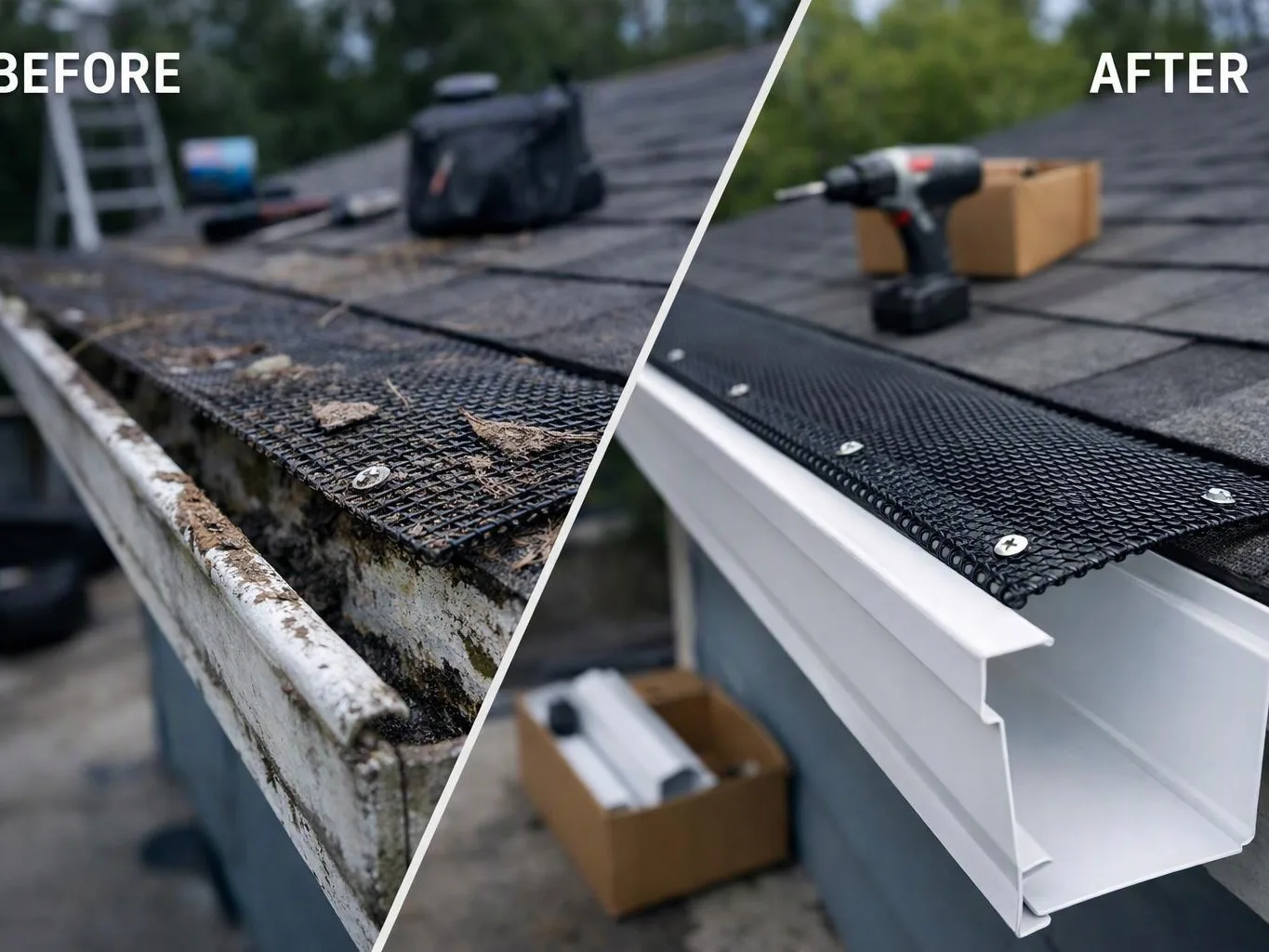
Leaf guards or gutter covers are an frequently-ignored but crucial component of a functional gutter system. Without them, leaves, twigs, and debris can block your gutters, resulting in water overflow and damage. Installing leaf guards can significantly reduce the need for frequent cleaning and avoid blockages that can damage your system.
There are various types of leaf guards available, such as screen covers, soft padding, and curved designs. Each has its own benefits, and the best choice depends on your regional conditions and the types of trees around your home. A professional installer can suggest the best option for your particular case.
5. Using Low-Quality Fasteners
Fasteners might seem like minor aspects, but they carry a vital part in the stability and endurance of your gutter system. Utilizing substandard or improper components can lead to gutters that slump, loosen, or even come off during intense rain. This also undermines the effectiveness of the system but can also present a safety issue.
High-quality fasteners, such as rust-proof nails and supports, are made to resist the weather and maintain your gutters in positioning for long periods. It's worth investing in robust resources to prevent the need for often maintenance or updates. A skilled contractor will use the correct tools to guarantee a stable and long-lasting setup.
6. Failing to Coordinate with Roofing and Siding Contractors
Gutter installation commonly involves working with other home improvement professionals, such as roofing and siding contractors. If these crews don’t coordinate appropriately, it can lead to misaligned gutters, improper flashing, or gaps that allow water to seep into your residence. This is especially vital in Arkansas, where heavy rainfall can quickly become a trouble if the setup isn’t properly integrated with the rest of your home’s exterior.
Before starting the installation, make sure to communicate with all involved parties to ensure a seamless process. A professional installer will work closely with other contractors to ensure that the gutters are installed correctly and function as part of a complete water management system.
7. Neglecting Ongoing Maintenance
Gutter setups call for consistent servicing to function appropriately, but many residents neglect this aspect after installation. Failing to plan for cleaning, assessments, and repairs can lead to clogs, leaks, and other concerns that compromise your home’s protection. It’s important to establish a upkeep regular and recognize what to look for during assessments.
Simple steps like cleaning gutters twice a year, reviewing for leaks, and making sure downspouts direct water away from the foundation can go a long way in preserving your installation. A professional installer can offer direction on how to uphold your gutters and what to watch for over time. This proactive approach can save you money and avoid sudden issues.
Frequently Asked Questions
What is the best time to install gutters in Arkansas?
The best time to install gutters in Arkansas is during the spring or early fall when the weather is mild and less likely to interfere with the installation process. Avoid installing gutters during heavy rain or extreme temperatures, as these conditions can complicate the work and affect the quality of the installation.
How long do gutters typically last?
With proper maintenance, gutters can last between 20 to 30 years, depending on the material used. Aluminum gutters typically last around 20 years, while steel and copper gutters can last longer. Regular inspections and cleaning help extend their lifespan and prevent costly repairs.
Can I install gutters myself?
While some homeowners attempt DIY gutter installation, it’s often best to leave it to professionals. Proper installation requires knowledge of slope, drainage, and hardware selection, which can be difficult to manage without experience. A professional installer ensures the job is done correctly and safely, reducing the risk of future issues.
Last updated November 2026