

Why Gutter Installation Matters in Arkansas
Gutter systems play a essential role in safeguarding homes from moisture injury, particularly in a region like Arkansas, in which climatic conditions may be unstable. The correct gutter installation ensures that water is effectively directed away from the foundation, preventing problems like cellar flooding, earth erosion, and structural injury. Arkansas is famous for its varied weather trends, which include intense spring tempests, summer precipitation, and rare winter ice. These conditions make it even more vital for residents to spend in reliable gutter systems that can endure the forces.
Home protection is a top priority for any homeowner, and adequate gutter setup is a key element of that. Without a well-planned and correctly set up gutter system, moisture can seep into the structures, cause mold development, and even lead to costly repairs. In Arkansas, in which the climate can be and humid and rainy, the importance of a functional gutter system cannot be exaggerated. If you reside in Little Rock, Fort Smith, or any another town in the region, a reliable gutter system is essential for keeping the structure of your residence.
Gutter installation is not just about installing pipes and channels to your roof. It involves careful planning, material selection, and expert knowledge to make sure that the setup functions efficiently for decades to come. Choosing the proper gutter businesses in Arkansas can cause a significant impact in the standard and durability of your installation. Businesses like AGM Gutters offer regional knowledge and experience tailored to the particular requirements of Arkansas residents.
Popular Gutter varieties Used in Arkansas
When it comes to gutter installation in Arkansas, there are several common varieties of gutters that homeowners can select. Each kind has its own benefits and is appropriate for different home layouts and weather conditions. K-style gutters are the most popular option due to their elegant look and smooth drainage. These gutters have a rectangular form with a semi-circular rear, making them suitable for most house real estate in Arkansas.
Half-round gutters are another popular selection, especially for homes with a more old-fashioned or country look. These gutters have a arched semi-circular form and are frequently constructed from substances like aluminum or steel. They are recognized for their durability and ability to handle intense rain, which is a frequent occurrence in Arkansas during the early season and summer months.
Aluminum gutters are a popular option for their easy-to-handle and rust-proof properties. https://pad.nixnet.services/XjR-3cI3RU6VUaXJkr9Sjw They are simple to set up and service, making them a useful selection for many homeowners in Arkansas. Steel gutters, on the other hand, offer higher strength and durability, making them a reliable selection for areas with heavy downpours or severe climatic conditions. However, they require frequent care to stop oxidation and degradation.
The option of gutter variety relies on several factors, including the appearance of the home, the local climate, and the homeowner’s financial plan. In Arkansas, where climatic conditions can change greatly, picking the right gutter variety is vital for prolonged operation and security.
Best Materials for Arkansas Weather
Selecting the right materials for gutter installation in Arkansas is critical for confirming long-term durability and efficiency. The state’s climate, which includes heavy spring storms, summer rain, and occasional winter ice, demands materials that can withstand these conditions. Metal is an excellent option for residents looking for a strong and corrosion-resistant option. It is highly sturdy and can handle the moisture and temperature fluctuations typical in Arkansas.
Metal gutters are another option that offers both beauty and longevity. While they are more expensive than other materials, copper gutters are known for their resistance to rust and their ability to develop a natural patina over time. This makes them a popular choice for property owners who want a unique and stylish gutter setup.
Plastic gutters are a more affordable option that is easy to set up and uphold. They are lightweight and resistant to corrosion, making them suitable for many homes in Arkansas. Nevertheless, they may not be the best option for areas with extreme weather conditions, as they can become brittle over time.
Corrosion-resistant steel gutters are another long-lasting option that offers excellent strength and resistance to rust. They are frequently used in commercial and industrial settings but can also be a good option for residential properties in Arkansas. These gutters require regular maintenance to prevent rust, but they can last for many years with proper care.
The choice of material depends on the homeowner’s budget, aesthetic preferences, and the specific weather conditions in their area. In Arkansas, where the climate can be both humid and stormy, selecting the right material is essential for ensuring that the gutter system functions properly and lasts for years to come.
How Climate Affects Gutter Installation in Arkansas
The climate in Arkansas has a significant impact on gutter installation, making it crucial for property owners to select the right installation for their particular location. Spring storms, which are common in cities like Little Rock and Fort Smith, can bring heavy rainfall and strong winds that put extra stress on gutter setups. Appropriate installation is vital to make sure that gutters can manage the volume of water without overflowing or becoming damaged.
Summer rain in Arkansas is another factor that affects gutter performance. The state experiences frequent thunderstorms and heavy downpours, specifically in cities like Fayetteville and Springdale. These conditions need gutters that can efficiently channel water away from the home to avoid flooding and water harm. Picking the right materials and installation techniques is essential for confirming that gutters can withstand the challenges of the summer season.
Winter ice is a concern in parts of Arkansas, especially in cities like Fayetteville and Hot Springs. When temperatures drop, ice can form in gutters, leading to ice dams and likely damage to the roof and walls. Proper installation, including the use of heated gutter systems or ice melt products, can help prevent these issues. Homeowners in colder areas should work with experienced gutter installation companies to ensure their systems are prepared for the winter months.
Humidity is another factor that affects gutter performance in Arkansas. The state’s high humidity levels can lead to mold and mildew growth if gutters are not properly maintained. This is especially true in cities like Little Rock and Fort Smith, where the combination of rain and humidity can create ideal conditions for mold to thrive. Regular cleaning and maintenance are essential to keep gutters functioning properly and prevent long-term damage.
Understanding the impact of Arkansas’ climate on gutter installation is crucial for homeowners. By working with experienced professionals and choosing the right materials and design, homeowners can ensure that their gutter systems are built to last through the state’s varied weather conditions.
Cost of Gutter Installation in Arkansas
The expense of gutter installation in Arkansas can vary depending on several factors, including the variety of supplies used, the dimensions of the home, and the intricacy of the fitting. On average, homeowners can expect to pay between $3 and $10 per running foot for qualified gutter fitting. This span includes both the price of supplies and labor, with more expensive materials and complicated installations generally falling on the more expensive end of the spectrum.
Installation costs can also vary depending on the gutter businesses in Arkansas. Some companies may provide competitive pricing, while others may charge more for their expertise and standard of service. It’s crucial for homeowners to get multiple proposals and assess the offerings offered by various firms before deciding a decision.
Component costs are another important element in the total cost of gutter setup. For case, metallic gutters are usually less expensive than iron or metallic choices, while vinyl gutters are usually the most budget-friendly selection. However, the extended resilience and care requirements of each material should also be considered when making a decision.
Area-based pricing is another element to take into account. In cities like Little Rock and Fort Smith, where demand for gutter installation is high, rates may be slightly more expensive compared to smaller metropolitan areas like Conway or Jonesboro. Homeowners should also be knowledgeable that fitting costs in adjacent states like Oklahoma may differ from those in Arkansas, resulting it vital to collaborate with regional businesses that know the particular needs of the region.
When preparing for gutter installation, it’s essential to factor in all of these costs and work with a reputable gutter company in Arkansas to confirm that the fitting is completed properly and efficiently.
Procedures in Professional Gutter setup
Professional gutter mounting involves a series of meticulously prepared steps to confirm that the system is correctly configured, mounted, and operational. The first step is assessing, where the professional will evaluate the eaves and identify the exact length and location of the gutters. This is vital for ensuring that the system can effectively guide water away from the property.
Once the measurements are collected, the next action is sizing the gutters to the correct size. This demands accuracy to guarantee that the gutters fit precisely along the roofline and do not result in gaps that could cause water seepage. Sizing is commonly carried out using advanced equipment that allow for clean and neat trims.
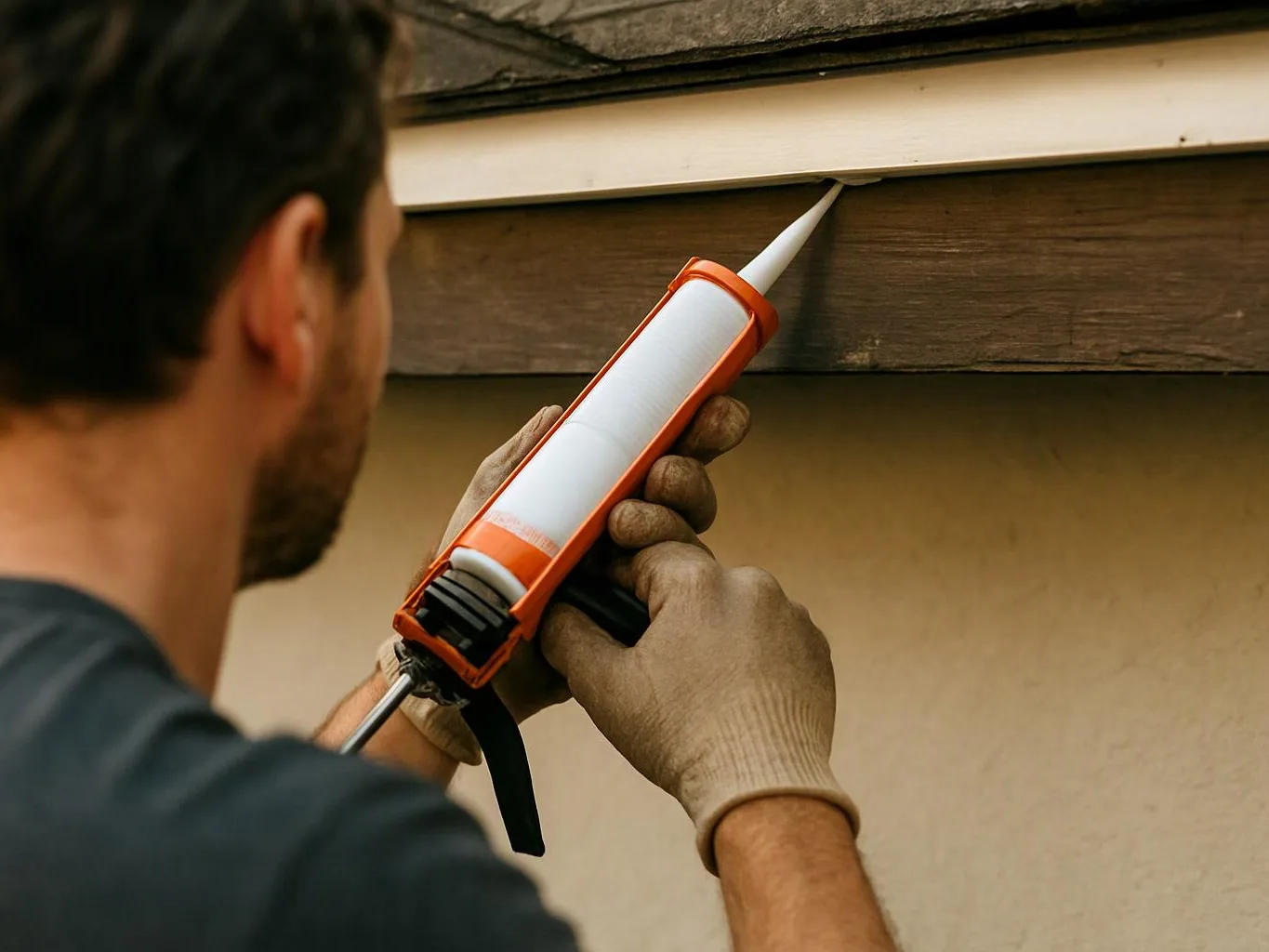
Mounting the gutters is the next step in the mounting workflow. This involves securing the gutters to the trim board using supports and screws. Correct mounting is essential for guaranteeing that the gutters remain in position during strong downpours or high gusts. The mounting group will also ensure that the gutters are properly sloped to enable smooth water drainage.
The final action is checking the installation to ensure that it works effectively. This demands flowing fluid through the gutters to verify for seepage proper drainage, and general functionality. If any problems are noted, the team will make the necessary changes to confirm that the system is fully functional.
By adhering these actions, professional gutter installation companies in Arkansas can supply property owners with a dependable and long-lasting gutter installation that safeguards their properties from water damage.
Gutter maintenance Guidelines for Arkansas homeowners
Maintaining gutters is essential for ensuring that they continue to function properly and protect the home from water-related issues. In Arkansas, where the seasons can bring downpours, dampness, and periodic snow, frequent upkeep is critical. One of the most important care activities is cleaning the gutters on a frequent basis. Homeowners should target clear their gutters at least twice a year, best during the spring and second half of the year, to eliminate plant matter, trash, and other materials that can block the system.
Clogged gutters can result in overflowing water, which can lead to damage to the top, exterior, and groundwork of the home. In Arkansas, where the weather can be both wet and moist, clogged gutters can also lead to mildew and mildew growth. Homeowners should inspect their gutters often for signs of blockage and take action to unblock them as necessary.
Water pipe maintenance is another key part of gutter maintenance. https://docs.monadical.com/frNYN9LqQlm6fzsUg--h1w Downspouts should be checked for obstacles and maintained often to guarantee that fluid travels unimpeded away from the home. In locations with heavy rainfall, such as Little Rock or Fort Smith, it’s critical to ensure that drainpipes are correctly placed and working as expected. https://thiesen-ellegaard-3.technetbloggers.de/choosing-the-right-gutter-installer-in-north-little-rock-arkansas-a-field-overview-and-evaluation-action-list
Arkansas times can also affect the maintenance needs of gutters. During the spring, when plants are dropping leaves, gutters may need more frequent cleaning. In the second season, heavy rain can result in gutters to become clogged more quickly. In the end of the year, snow and ice can lead to additional stress on the setup, requiring careful inspection and upkeep to stop damage.
By adhering to these maintenance tips, Arkansas homeowners can ensure that their gutters remain in good condition and still protect their homes from moisture problems.
Local Building Codes for Gutters in Arkansas
Gutter installation in Arkansas must comply with local building codes to ensure that the system is safe, functional, and up to standard. These codes vary by city and are designed to protect both the homeowner and the community. For example, in Little Rock, homeowners must follow specific guidelines for gutter positioning, material selection, and installation methods to ensure that the system meets the city’s safety requirements.
City rules in Arkansas often include requirements for the size and slope of gutters, the type of materials that can be used, and the proper placement of downspouts. These regulations are in place to prevent water damage and ensure that gutters work effectively. Homeowners should consult local building departments or work with experienced gutter installation firms to ensure that their system meets all necessary requirements.
Safety criteria are another important aspect of local building codes. Gutters must be installed in a way that minimizes the risk of injury or damage. This includes ensuring that gutters are properly secured, that there are no sharp edges or protrusions, and that the system is designed to handle the expected volume of water. In cities like Fayetteville and Hot Springs, where winter ice can be a concern, additional safety procedures may be required.
Permits are often required for gutter installation in Arkansas, depending on the city and the scope of the project. Homeowners should check with their local authority to determine whether a permit is needed and what steps are required to obtain one. In some cases, a permit may be required for any changes to the existing gutter system, including repairs or replacements.
By understanding and following local building codes, homeowners in Arkansas can ensure that their gutter installation is safe, effective, and compliant with all necessary standards. Working with experienced professionals, such as AGM Gutters, can help ensure that the installation meets all local criteria and provides long-term protection for the home.
What are the most common types of gutters used in Arkansas?
Homeowners in Arkansas commonly use K-shaped gutters, semi-circular gutters, metal gutters, and iron gutters. K-style gutters are popular for their sleek design and smooth water movement, while semi-circular gutters offer a traditional look. Metal and ferrous gutters are chosen for their durability and ability to withstand the state's meteorological conditions.
How do climate conditions in Arkansas affect gutter installation?
Arkansas experiences heavy spring tempests, summer precipitation, and periodic winter frost, which can affect gutter installations. Effective installation is vital to guarantee that gutters can handle the volume of liquid and stop harm. Homeowners in locations with elevated dampness should also consider components that resist fungus and spores formation.
Which materials are ideal suited for Arkansas weather?
Stainless steel serve each ideal choices for gutter installation in Arkansas. Copper and copper deliver longevity as well as protection against rust, while PVC represents an budget-friendly alternative. Galvanized steel serves robust as well as enduring, creating that the excellent option to areas possessing intense rain events.
What is this usual price on gutter installation in Arkansas?
The typical cost of gutter installation in Arkansas spans from $3 to $10 each running foot. This includes both components and effort, with rates fluctuating based on the type of components used and the complexity of the installation. Area pricing and regional installers can also affect the overall expense.
What are the processes involved in skilled gutter placement?
Professional gutter installation requires measuring the roofline, cutting the gutters to the correct size, mounting them tightly, and testing the system for proper function. Each step is vital for ensuring that the gutter system is effective and long-lasting, providing protection against water damage.